
Noisy Neighbours: Your Rights and Legal Remedies

Noise from neighbours is one of the most common sources of stress for households across the UK. Whether it’s loud music, constant shouting, DIY at unreasonable hours, or persistent disturbances from pets, excessive noise can quickly turn a peaceful home into a daily frustration. Fortunately, there are several clear routes for dealing with persistent noise pollution.
This article explains your rights and the practical steps you can take to restore peace.
What Counts as Noise Pollution?
Noise pollution is defined as any unwanted or harmful sound that unreasonably interferes with your normal home life.
Common examples include:
Loud music or parties late at night
Persistent shouting or disruptive behaviour
DIY or construction noise at unreasonable hours
Dogs barking continuously
Alarms sounding for long periods
Excessive noise from shared spaces or communal areas
The key test is reasonableness: would an average person consider the noise excessive, avoidable, and disruptive?
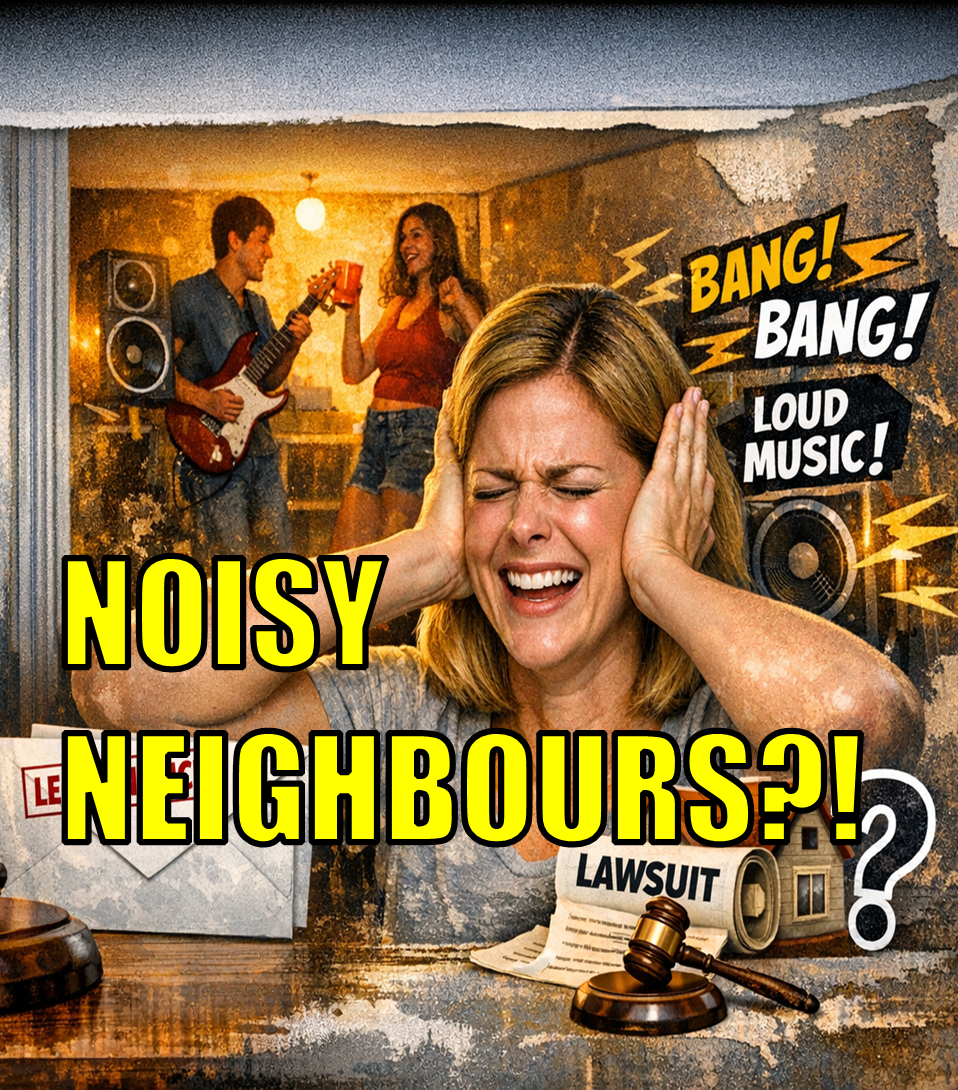
Three Ways to Deal with Noisy Neighbours!
Your Legal Rights
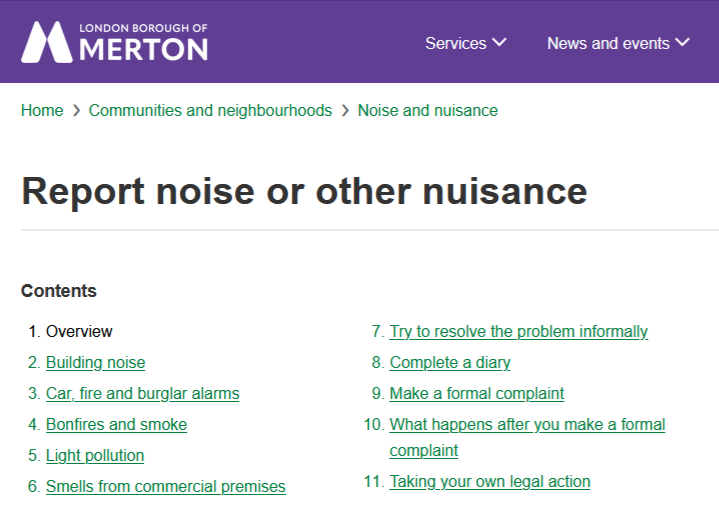
1. Inform your Local Council
Local councils have a duty to investigate complaints of noise that may amount to a statutory nuisance. If the noise is judged to be a nuisance, the council can issue an Abatement Notice requiring the neighbour to stop or reduce the noise.
Breaching an Abatement Notice is a criminal offence and can lead to:
Fines
Seizure of noise‑making equipment
Prosecution
2. Application to the Magistrates Court
If the council won’t act or is too slow, you can apply to the magistrates’ court under section 82 of the Environmental Protection Act and ask the court to declare the noise a statutory nuisance and issue a nuisance order requiring the neighbour to stop or reduce the noise.
You will need to gather sufficient evidence (in the form of diaries and audio recordings) that the noise is substantially interfering with your quality of life and serve a notice on the neighbour. If the neighbour fails to heed the notice then you go the Magistrate’s Court
At the hearing, the magistrates decide whether:
a statutory nuisance exists, or
it is likely to recur
If so, the court will make a nuisance order and may also order the neighbour to pay your costs. If the neighbour subsequently breaches that order without reasonable excuse, it becomes a criminal offence.

3. Anti‑Social Behaviour Powers
If the noise is part of wider anti‑social behaviour — intimidation, harassment, or repeated disturbances — the council or police can use powers under the Anti‑Social Behaviour, Crime and Policing Act 2014, including:
Community Protection Notices
Acceptable Behaviour Contracts
Civil injunctions
4. Tenancy and Housing Rights
If you rent your home it is important to understand rights afforded under your lease or tenancy agreement, especially clauses prohibiting nuisance and guaranteeing quiet enjoyment. Landlords have a duty to address noise issues caused by other tenants in the same building.
5. Civil Action for Nuisance
In serious or long‑term cases, you can bring a civil claim for private nuisance. This is usually a last resort and may involve:
Seeking damages for distress or loss
Applying for an injunction to stop the noise
Practical Steps to Take Before Legal Action
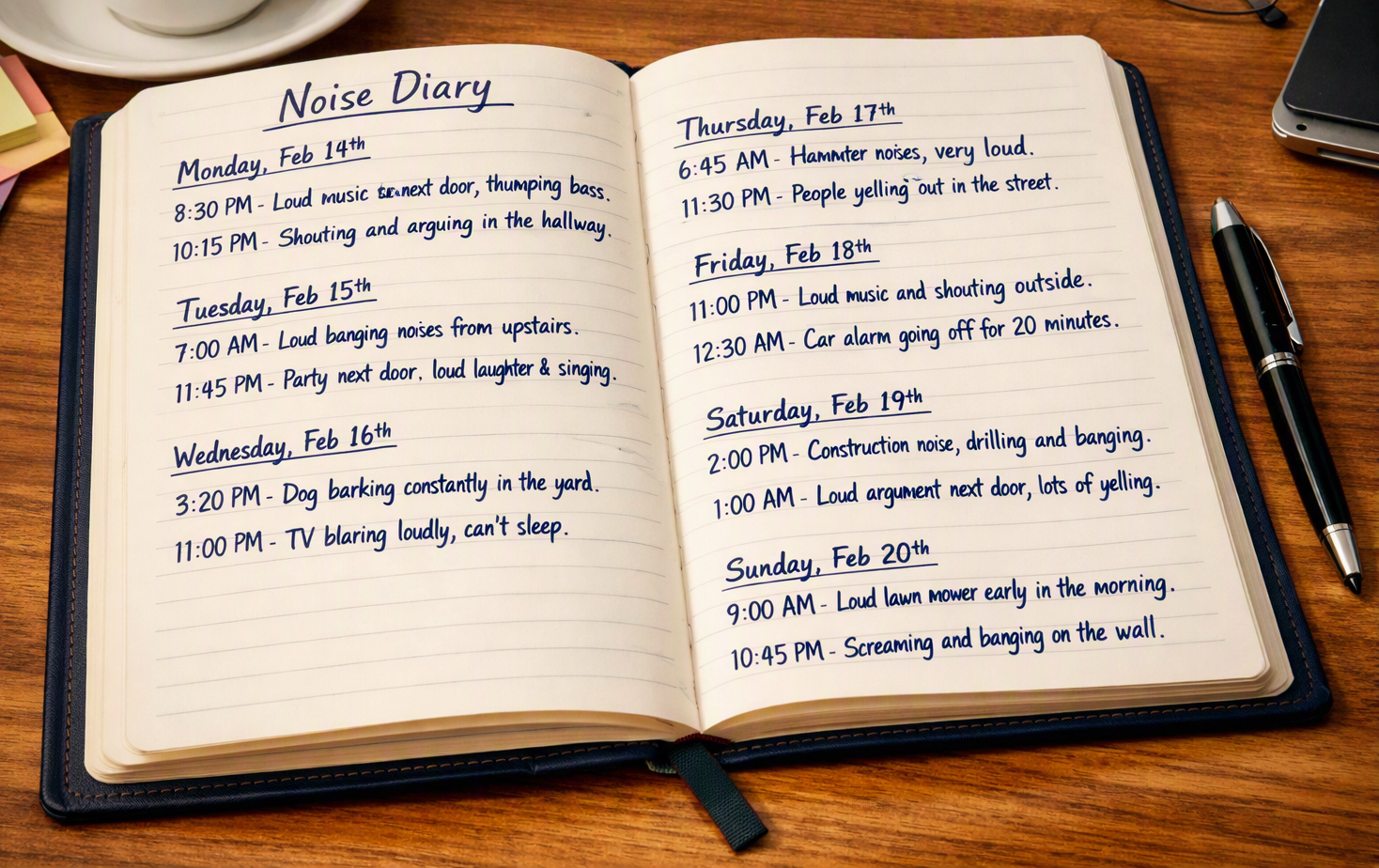
1. Keep a Noise Diary
Record dates, times, duration, and the nature of the noise. Councils and the courts rely heavily on this evidence.
2. Speak to Your Neighbour
Many disputes are resolved with a calm conversation
3. Contact Your Council’s Environmental Health Team
They can:
Investigate the noise
Install monitoring equipment
Issue warnings or notices
Take enforcement action
4. Report Anti‑Social Behaviour
If the noise is part of wider disruptive conduct, contact the police’s non‑emergency line or your council’s ASB team.
5. Seek Legal Advice
At Code Legal Solicitors we can advise on:
Whether your case meets the legal threshold
Evidence requirements
The likelihood of success
Alternative dispute resolution options