
Debt and Buried: Can Limited Companies Shut Down to Avoid Debt?
Limited companies are separate legal entities to their owners, and are limited by liability. It is the limited company that is responsible for its debts, not its owners. This creates a security mechanism whereby owners are only financially responsible for the company’s debts up to the amount they have invested or guaranteed, not with their own personal assets.
When you enter into a contract for services or goods with a limited company, you are contracting directly with the company and not its owners. Whilst this protection for the owners has been enshrined in English law for almost 40 years, it can leave creditors vulnerable when things go wrong.
In this article we discuss what happens to debts when a limited company closes and the remedies available to creditors
Liquidation
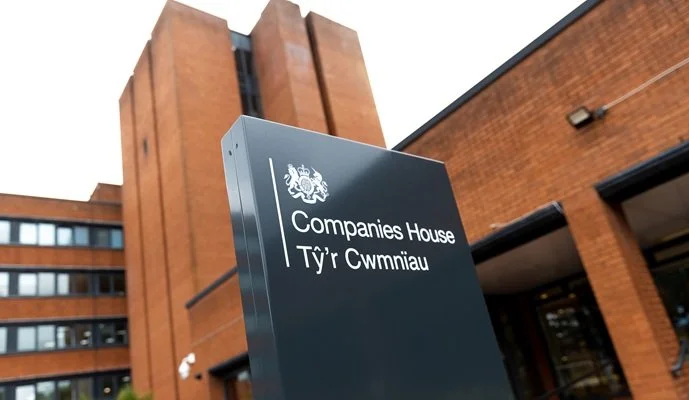
A limited company can be closed either through:
Liquidation (voluntary or compulsory), where assets are sold and distributed to creditors according to priority. Once the assets are exhausted any remaining debts are written off the company ceases to exist.
Voluntary strike‑off, where directors apply to dissolve the company without a formal insolvency process. Debts do not magically disappear, but many creditors lose practical avenues to recover them unless they take action.
Most closures are legitimate, however, problems arise when directors:
Shut down a company while owing consumers money (e.g., undelivered goods, unfinished building work).
Restart under a new name (“phoenix company”) to continue trading without honouring old debts.
Transfer assets out of the failing company before dissolution.
Use strike‑off instead of liquidation to avoid scrutiny by an insolvency practitioner.
The Insolvency Service actively investigates dissolved companies and director misconduct, including phoenixing and fraudulent trading.
Warning Signs a Company May Close

Consumers should be alert to the following red flags:
Sudden cessation of communication
Directors resigning en masse
Notices of strike‑off appearing on Companies House
Requests for large upfront payments despite deteriorating service
Rebranding or “new company name” announcements
Website or social media disappearing
Deluge of complaints from other customers online
Precautions to Take Before Entering a Contract
1. Check the Company’s Financial Health
Review filings on Companies House for overdue accounts, strike‑off notices, or charges over assets.
Search for CCJs (County Court Judgments) via public registers.
2. Avoid Large Upfront Payments
Pay deposits only when necessary.
Use credit cards where possible.
3. Get Written Contracts
Ensure terms cover delivery timelines, refunds, and dispute resolution.
4. Verify Directors
Look for directors with histories of dissolved companies or disqualification. The Insolvency Service maintains a public register of disqualified directors.
5. Prefer Companies With Insurance or Trade‑Body Membership
Many trade bodies offer consumer protection schemes or Alternative Dispute Resolution.
Remedies When a Company Shuts Down Owing You Money
1. Register as a Creditor
If the company enters liquidation, you can:
File a proof of debt with the insolvency practitioner.
Monitor progress through statutory reports.
2. Apply to Restore a Dissolved Company
Creditors can ask the court to restore a struck‑off company to pursue debts or claims..
3. Report Misconduct
The Insolvency Service investigates:
Fraudulent trading
Phoenix companies
Director misconduct
4. Claim Through Your Payment Provider
Credit card: Section 75 claims
Debit card: Chargeback
PayPal: Buyer protection
5. Consider Legal Action
You may:
Issue a statutory demand or civil claim
Apply to wind up a company that owes you money
6. Check for Personal Guarantees
In some cases, directors may have personally guaranteed debts, making them individually liable.
When Directors Can Be Personally Liable
Directors may face personal consequences if they:
Continue trading while insolvent (wrongful trading)
Intentionally deceive creditors (fraudulent trading)
Misuse company funds (misfeasance)
Have overdrawn director loan accounts at liquidation
The Insolvency Service can impose:
Disqualification orders
Compensation orders
Criminal enforcement
Conclusion
Limited companies shutting down to avoid debts is a serious consumer‑rights issue. While UK insolvency law provides structured processes to protect creditors, consumers must act quickly and decisively when warning signs appear. By checking a company’s financial health, using protected payment methods, and knowing the remedies available, consumers can significantly reduce the risk of financial loss.